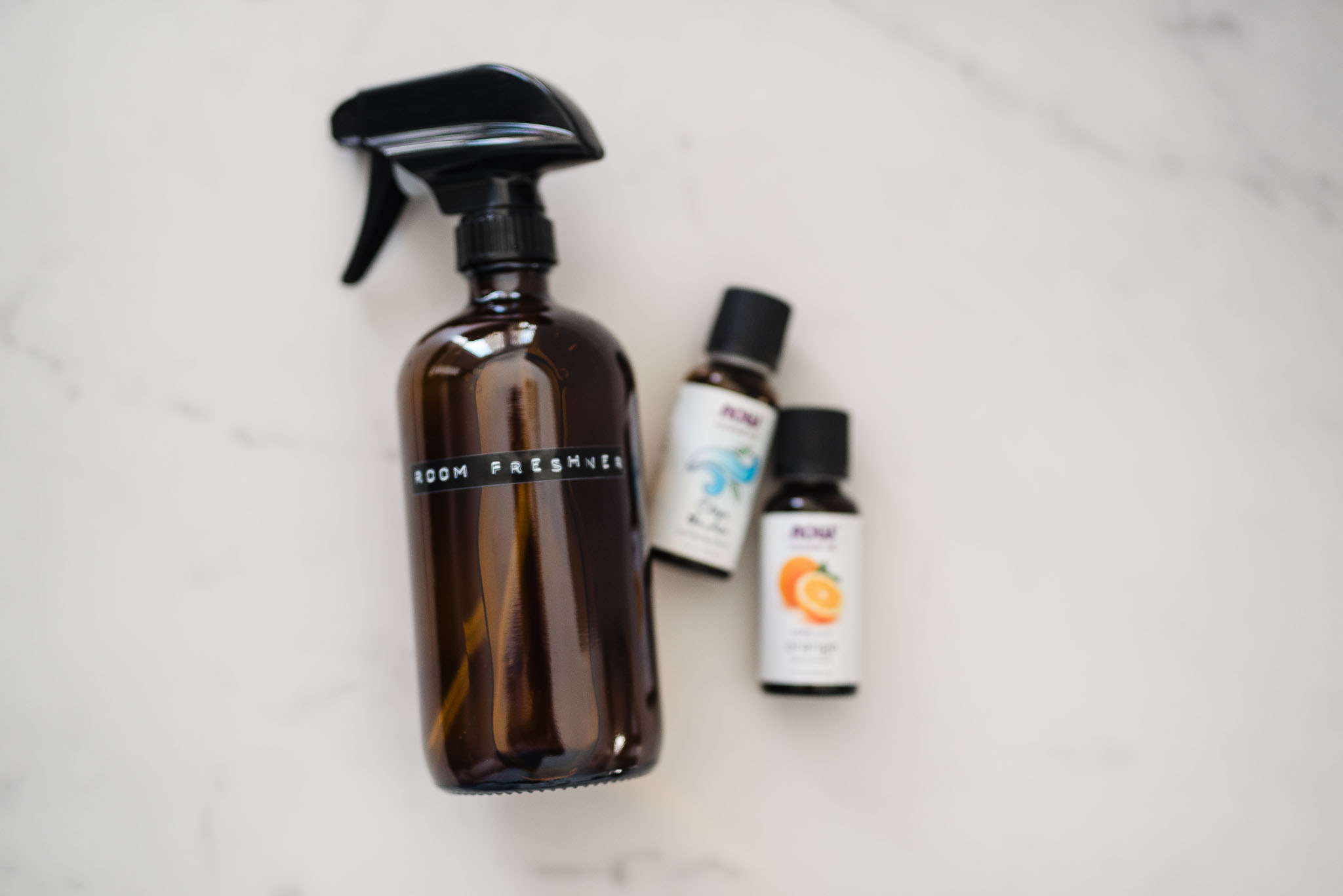
Non-Toxic Room Spray Recipe
A Healthier DIY Air Freshener for Real Life Homes
If you’ve ever searched for a non-toxic room spray recipe after walking into your teenage boys’ bedroom… welcome. You’re in the right place.
I’m a boy mom of five. Two of them are teens. They share a room. They train in combat sports.
Let’s just say… the air gets competitive.
And while a quick blast of store-bought air freshener might seem like the obvious solution, it’s not an option for me. I deal with chemical sensitivities, and conventional room sprays trigger headaches, throat irritation, and that heavy artificial scent that lingers way too long.
So I needed something that actually neutralized odors without turning my home into a synthetic fragrance cloud.
That’s how this DIY low-tox room spray became a staple in our house.
Why I Don’t Use Conventional Room Sprays
Most typical air fresheners are packed with “fragrance.” That single word on an ingredient label can hide dozens, sometimes hundreds, of undisclosed chemicals.
Many conventional sprays contain:
-
Phthalates
-
Synthetic musks
-
Volatile organic compounds (VOCs)
-
Artificial preservatives
These chemicals can contribute to indoor air pollution, hormone disruption, respiratory irritation, and headaches. And when you’re spraying them into bedrooms, bathrooms, and living spaces daily, the exposure adds up.
For someone with chemical sensitivities, it’s not subtle. It’s immediate.
But even if you don’t react strongly, your body still has to process what you’re breathing in.
That’s why I wanted a healthier alternative to room spray. Something that freshens the air without masking odors under layers of synthetic perfume.
Need more convincing? Check out these 6 reasons to ditch the fragrance for good
Affiliate Disclosure
Some of the links in this post may be affiliate links, which means I may earn a small commission if you choose to purchase through them, at no extra cost to you. I only share products and ingredients I personally use and trust in my own home. If it’s linked here, it’s because it’s survived the teen boy room test
Non-Toxic Room Spray Recipe
Simple. Effective. No mystery ingredients.
Ingredients
-
½ cup distilled water
-
2 tablespoons witch hazel
-
15 to 25 drops essential oils
-
8 oz glass spray bottle (I personally use the amber bottles when using essential oils)
Why These Ingredients Work
Distilled Water
Using distilled water prevents mineral buildup and keeps the spray cleaner and more shelf-stable than tap water.
Witch Hazel
Witch hazel helps disperse the essential oils so they mix more evenly. It also adds a light deodorizing quality and helps the scent last longer without synthetic stabilizers.
Essential Oils
Essential oils provide natural fragrance derived from plants rather than lab-created chemical blends. Many oils also have natural antibacterial and deodorizing properties, which means they help address odors instead of just covering them up.
In other words, this spray does not just perfume the problem. It supports cleaner air in a gentler way.
How to Make It
-
Add witch hazel to your glass spray bottle.
-
Add essential oils and swirl gently.
-
Pour in distilled water.
-
Shake well before each use.
Because oil and water separate naturally, always shake before spraying.
A Few Safety Notes
-
Avoid spraying directly onto delicate surfaces like wood or silk.
-
Use caution around pets, especially cats, as some essential oils are not safe for them.
-
Always shake before use.
Simple. Intentional. Effective.
My Go-To Blend for Teen Boy Rooms
This one has been battle-tested.
-
10 drops lemon
-
8 drops eucalyptus
-
5 drops tea tree
-
5 drops lavender
It smells clean, fresh, and not overly sweet. It handles gym bags, training gear, and “I forgot to open a window” situations surprisingly well.
More Essential Oil Blend Ideas
Here are a few of my other favorite combinations:
Calming Evening Blend
-
12 drops lavender
-
6 drops cedarwood
-
5 drops frankincense
Bright & Uplifting
-
10 drops sweet orange
-
8 drops grapefruit
-
5 drops peppermint
You can adjust based on preference. Start lighter if you’re sensitive to scent.
Why This Alternative Is Healthier
Instead of adding more chemical load to your indoor air, this recipe:
-
Avoids synthetic fragrance
-
Reduces exposure to hormone-disrupting chemicals
-
Supports better indoor air quality
-
Uses simple, recognizable ingredients
It is not about perfection. It is about lowering the daily chemical burden in ways that feel sustainable.
And honestly, when you live in a house full of active boys, you need solutions that are both practical and safe.
Final Thoughts
Low-tox living does not mean your house has to smell like stale air and moral superiority.
It just means being thoughtful about what you spray into the spaces your family breathes in every day.
If you loved this recipe and want more realistic, affordable swaps that actually work in a busy home, I have plenty more to share.
Grab my Crunchy Cleaning Companion or check out my other DIY low-tox recipes where I break down simple changes that protect your health, save money, and make natural living feel doable instead of dramatic
Because fresh air and functioning teenage boys can, in fact, coexist.
More low-tox recipes that you might like too:
Dishwasher pods that outperform & save money
Easy, homemade natural dryer sheets