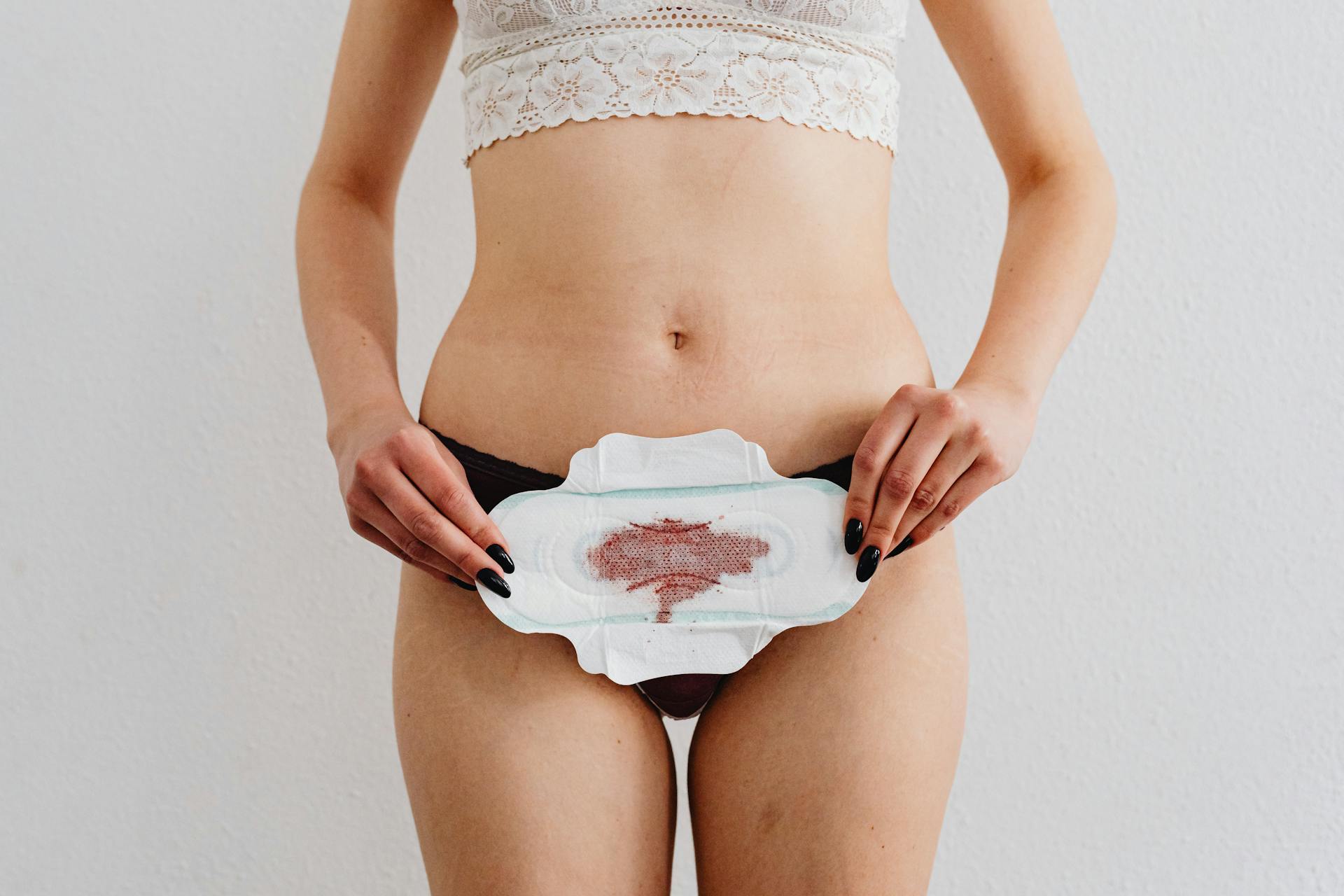
Just because period pain is common doesn’t mean it’s normal.
You can have a menstural cycle without bloating, gas, pains, and other debilitating symptoms.
For many women, monthly cycles come with a familiar dread: cramps, lower back pain, fatigue, headaches, and that heavy feeling that makes you want to curl up under a blanket for the day.
But painful periods aren’t something we simply have to suffer through.
While occasional discomfort can happen, chronic or intense period pain is often a sign that the body is missing key nutrients, dealing with inflammation, or struggling with hormone balance. Supporting the body with the right minerals, herbs, and lifestyle habits can make a dramatic difference.
In this guide, we’ll walk through natural ways to ease period pain in the moment and how to support your body between cycles so cramps become less intense over time.
Why Period Pain Happens
Menstrual cramps (called dysmenorrhea) happen when the uterus contracts to shed its lining. These contractions are triggered by compounds called prostaglandins.
High levels of prostaglandins can cause:
-
Intense cramping
-
Lower back pain
-
Nausea
-
Headaches
-
Digestive upset
-
Fatigue
When the body has nutrient deficiencies, inflammation, or hormonal imbalances, prostaglandin levels can spike, making cramps significantly worse.
The good news? Many natural remedies work by relaxing uterine muscles, replenishing minerals, reducing inflammation, and supporting hormone balance.
Disclaimer: This article is for informational purposes only and is not intended to diagnose, treat, or replace professional medical advice. Always consult a qualified healthcare professional before starting new supplements, herbs, or health protocols.
Natural Remedies to Ease Period Pain
When cramps strike, these simple remedies can help your body relax and recover.
Heating Pads
One of the most effective and underrated remedies is simple heat therapy.
Applying a heating pad to the lower abdomen helps:
-
Relax uterine muscles
-
Improve blood flow
-
Reduce cramping intensity
In fact, research has shown heat therapy can be as effective as some over-the-counter pain relievers for menstrual cramps.
Use a heating pad for 20–30 minutes at a time while resting.
Epsom Salt Baths
An Epsom salt bath is one of the best ways to replenish magnesium while relaxing the body.
Magnesium is crucial for:
-
Muscle relaxation
-
Nervous system support
-
Reducing uterine contractions
How to Take a Magnesium Bath
Add:
-
1–2 cups Epsom salt
-
Warm bath water
- for extra mineral support, use dead sea salts
Soak for 20 minutes while breathing deeply and allowing your body to unwind.
Many women notice their cramps noticeably ease after a soak.
Cell Salts for Pain Support
Cell salts (also called tissue salts) are homeopathic mineral preparations that support the body’s cellular balance.
For menstrual cramps, many women use:
Magnesia Phosphorica (Cell Salt #8)
Often called the “homeopathic aspirin,” it’s commonly used for:
-
Cramping pain
-
Muscle spasms
-
Menstrual discomfort
Many people dissolve several tablets in warm water and sip slowly during cramps.
Herbal Teas That Soothe Menstrual Cramps
Certain herbs gently support the uterus, reduce inflammation, and replenish minerals.
Ginger Tea
Ginger is a powerful anti-inflammatory herb that can help:
-
Reduce prostaglandin levels
-
Ease cramps
-
Calm nausea
Chamomile Tea
Chamomile supports:
-
Muscle relaxation
-
Nervous system calm
-
Better sleep during painful cycles
Peppermint Tea
Peppermint helps relax smooth muscles and soothe digestive discomfort that sometimes accompanies periods.
Raspberry Leaf Tea
Red raspberry leaf is a traditional uterine tonic that supports healthy uterine function and can reduce cramping over time.
Herbal Tinctures for Menstrual Support
Some herbalists recommend tinctures for faster absorption.
Common herbs used for menstrual support include:
-
Cramp bark – traditionally used to relax uterine muscles
-
Motherwort – supports cramps and emotional symptoms
-
Ginger tincture – anti-inflammatory support
Always follow dosage instructions and consult a healthcare professional before starting new herbs.

Preventing Period Pain Naturally
While remedies help during your cycle, the real key to easier periods is supporting your body between cycles.
Painful periods are often linked to mineral deficiencies and hormone imbalance, so focusing on nutrition can make a huge difference.
Magnesium: The Mineral Most Women Need More Of
Magnesium is one of the most important nutrients when it comes to supporting a healthy menstrual cycle.
It plays a key role in helping the body relax muscles, regulate the nervous system, and keep inflammation in check. Because the uterus is a powerful muscle, having enough magnesium in the body can make a big difference in how intense those monthly contractions feel.
Magnesium also supports hormone balance, which is why low levels are often associated with stronger cramps and more noticeable PMS symptoms.
This was actually one of the first things I focused on when I started looking for natural ways to support my cycle.
Within the first month of daily use, my period cramps were non-existent. But when I’d back off or forget to take it daily, the symptoms came back. Safe to say, I take my magnesium DAILY!
There are several simple ways to increase magnesium naturally. Some women find magnesium glycinate supplements helpful, while others enjoy relaxing Epsom salt baths that allow the body to absorb magnesium through the skin.
Magnesium-rich foods can also make a difference, especially things like dark leafy greens, pumpkin seeds, and even a bit of raw cacao. Over time, adding these small sources of magnesium into your routine can help support the body in a really meaningful way.
Beef Liver: One of the Most Nutrient-Dense Foods for Hormone Health
Another food that has played a huge role in improving my cycle health is beef liver.
I know… liver isn’t exactly the most glamorous food topic. But when it comes to nutrient density, it’s hard to find anything that compares.
Beef liver is often called nature’s multivitamin because it’s packed with essential nutrients that support women’s health, including iron, vitamin A, B vitamins, copper, and zinc.
These nutrients are especially important for women who experience fatigue, heavy periods, or painful cramps, because they support healthy blood production and hormone balance.
When I began intentionally adding more nutrient-dense foods into my diet — including beef liver — I noticed a huge difference in how my body handled my cycles. Combined with drinking mineral-rich teas like NORA and increasing my magnesium intake, my period cramps became obsolete.
Instead of dreading my cycle every month, my body felt more supported, more nourished, and more balanced.
And sometimes that’s the missing piece when it comes to hormone health: not more restriction, but more nourishment.
NORA Tea: A Mineral-Rich Herbal Blend for Women
One of the simplest things that has made a noticeable difference in my own hormone health is NORA tea.
If you’re not familiar with it, NORA stands for a blend of four mineral-rich herbs:
-
Nettles
-
Oatstraw
-
Red raspberry leaf
-
Alfalfa
This tea is incredibly nourishing because it provides a wide range of natural minerals and trace nutrients that many women simply aren’t getting enough of through modern diets.
Herbalists have traditionally used this blend to support women during pregnancy, but the benefits go far beyond that. These herbs help nourish the body with nutrients like iron, calcium, magnesium, and silica, which are essential for healthy blood, strong tissues, and balanced hormones.
I started drinking NORA tea regularly during my last pregnancy because I wanted a natural way to increase the mineral content of my diet. What I didn’t expect was how much it would continue to help me long after pregnancy.
When I kept the habit of drinking it throughout the month, I started noticing something surprising — my period cramps became significantly milder. Instead of the intense cramping I had experienced for years, my cycles became much easier to manage.
Looking back, it makes sense. When the body is properly nourished with minerals, it’s much better equipped to support healthy uterine function and balanced hormone production.
Sometimes the body simply needs more nourishment.
Essential Oils for Hormone Support
Certain essential oils can support relaxation and hormonal balance.
Popular oils include:
Clary Sage
Clary sage is often used to support:
-
Hormone balance
-
Menstrual cramps
-
Stress relief
Lavender
Lavender promotes relaxation and may help reduce pain perception.
Marjoram
Marjoram supports muscle relaxation and can be helpful during cramps.
How to Use
Dilute a few drops in a carrier oil and massage onto:
-
Lower abdomen
-
Lower back
You can also diffuse oils for calming support.
Why Mineral Deficiency Can Cause Painful Periods
One of the most overlooked causes of painful periods is mineral deficiency.
Modern diets often lack the nutrients our bodies need to properly support hormone production, muscle relaxation, and healthy uterine contractions. When those nutrients are missing, the body has a much harder time managing inflammation and muscle tension during menstruation.
The uterus is a powerful muscle, and during your cycle it contracts to shed the uterine lining. These contractions are triggered by compounds called prostaglandins. When prostaglandin levels are too high, the uterus can contract more intensely than necessary, leading to painful cramps.
This is where minerals become incredibly important.
Certain minerals help regulate inflammation, relax muscles, and support hormone balance. When the body is depleted of these nutrients, cramps can become significantly worse.
Some of the most important minerals for menstrual health include:
Magnesium – Helps relax muscles and calm the nervous system, reducing the intensity of uterine contractions.
Iron – Supports healthy blood levels and energy, especially for women who experience heavy periods.
Calcium – Plays a role in proper muscle contraction and relaxation.
Trace minerals – Nutrients like zinc, copper, and selenium help support hormone production and overall reproductive health.
When women begin replenishing these minerals through nutrient-dense foods, herbal infusions, and targeted supplements, many start to notice their cycles becoming easier to manage over time.
This is one reason why remedies like NORA tea, magnesium, and nutrient-dense foods like beef liver can be so supportive for hormone health. Instead of simply masking symptoms, they help nourish the body with the building blocks it needs to function properly.
For many women, painful periods aren’t just bad luck. They can be a sign that the body is asking for more nourishment and support.
Lifestyle Habits That Support Easier Periods
Along with nutrition and herbal remedies, a few simple habits can also support healthier menstrual cycles.
Prioritizing quality sleep, managing stress, getting regular movement, and focusing on whole, nutrient-dense foods all help the body maintain hormonal balance.
Staying well hydrated and limiting ultra-processed foods can also make a noticeable difference.
Over time, these small lifestyle shifts can add up to meaningful improvements in how your body feels each month.
When to Seek Medical Guidance
While mild cramping is common, severe or debilitating period pain can sometimes be linked to conditions like:
-
Endometriosis
-
PCOS
-
Fibroids
-
Hormonal imbalances
If your periods consistently interfere with daily life, it’s important to work with a healthcare professional to identify underlying causes.
Final Thoughts
Painful periods are incredibly common—but that doesn’t mean they’re something we have to simply endure.
Supporting the body with minerals, nourishing foods, herbal remedies, and simple self-care practices can dramatically improve menstrual health over time.
Sometimes the most powerful solutions are the ones that work with the body instead of against it.
At the end of the day, a healthy non-toxic lifestyle helps to reduce & eliminate period symptoms.
I share more about living a holistic, well-balanced life here on my blog
Check out my product reviews here (with even more to come!)
Try out my DIY non-toxic recipes here
Shop my FAVORITE things here. These are products that I use daily.